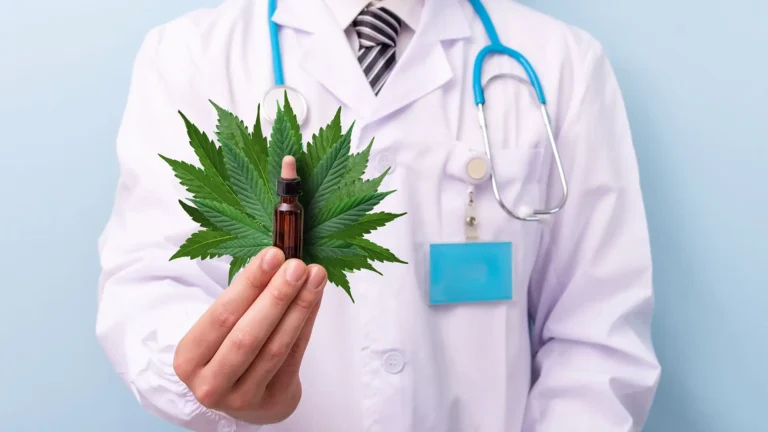
Fatty liver disease is becoming increasingly common worldwide, affecting around one in three adults. The condition is closely linked to obesity, insulin resistance, and metabolic disorders; and right now, treatment options are limited.
But new research from The Hebrew University of Jerusalem suggests that two compounds found in cannabis (CBD and CBG) might offer a new way to support liver health.
How CBD and CBG Work
CBD (cannabidiol) and CBG (cannabigerol) are naturally occurring compounds in the cannabis plant that do not produce a “high.” The psychoactive effect associated with cannabis comes mainly from another compound called THC (tetrahydrocannabinol), which affects brain receptors linked to mood, perception, and cognition.

Unlike THC, CBD and CBG are typically studied for their potential therapeutic and metabolic effects. Importantly, both compounds are non-intoxicating, meaning they don’t produce the “high” associated with cannabis.
Potential Benefits For Liver Health
In the study, scientists discovered that CBD and CBG may help the liver in two key ways.
First, they appear to boost the liver’s energy reserves. The compounds increased levels of a molecule called phosphocreatine, which acts like a backup energy source for cells when the body is under metabolic stress, such as from a high-fat diet.
Second, they help restore the liver’s cellular cleanup system. Inside liver cells, structures called lysosomes work like recycling centers, breaking down unwanted fats and waste. The study found that CBD and CBG reactivate enzymes involved in this process, helping cells remove harmful lipids more efficiently.
Key Takeaways
As a result, researchers observed lower levels of damaging fats, improved blood sugar control, and better overall metabolic health.
Interestingly, while both compounds had positive effects, CBG showed stronger improvements in several metabolic markers, including reduced body fat, improved insulin sensitivity, and lower LDL (“bad”) cholesterol.
The researchers say the findings highlight a promising plant-based approach to treating fatty liver disease, though more studies are needed before these compounds could become part of clinical treatment.
Still, the research points to an exciting possibility: natural compounds might one day help the liver burn fat more effectively, restore healthy metabolism, and slow the progression of metabolic liver disease.